

Understanding the psychology behind gambling Why we take risks in casinos
The Thrill of Uncertainty
The essence of gambling lies in the uncertainty it brings. Many individuals are drawn to casinos not just for the potential winnings but for the thrill that comes with taking risks. The unpredictability of a game can trigger a rush of adrenaline, creating a euphoric sensation that is hard to replicate in everyday life. This thrill-seeking behavior is often rooted in our psychological makeup, where the desire for excitement can overpower rational decision-making. Additionally, players might find themselves immersed in games with real money slots, further enhancing their experience.
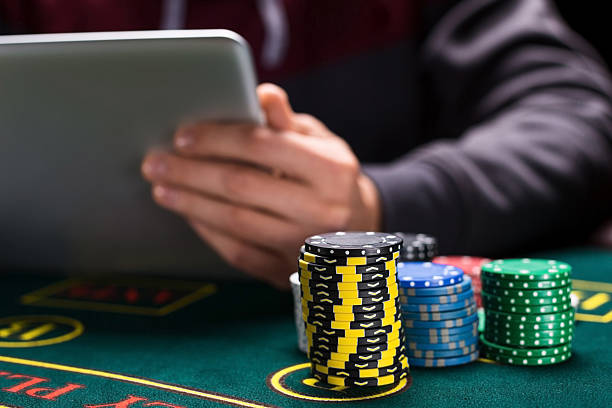
Moreover, the human brain is wired to respond positively to risk-taking. Dopamine, a neurotransmitter associated with pleasure, is released during high-stakes situations, reinforcing the urge to gamble. This biochemical response plays a crucial role in why people find gambling so appealing, as the brain begins to associate the risk of loss with the potential for reward, creating a cycle of anticipation and excitement.
The Role of Cognitive Biases
Cognitive biases significantly influence gambling behavior, often leading individuals to make irrational decisions. One common bias is the “gambler’s fallacy,” where players believe that past outcomes affect future ones. For example, someone may think that a slot machine is ‘due’ for a payout after a streak of losses. This illusion of control can motivate players to continue betting, despite statistical evidence suggesting otherwise.
Additionally, confirmation bias can lead gamblers to focus on winning experiences while ignoring losses. This selective attention reinforces a false sense of skill or luck, encouraging continued play. These cognitive distortions create a compelling narrative that keeps individuals engaged, often leading them to misinterpret their actual chances of winning.
Social Factors and Peer Influence
The social environment surrounding gambling can have a profound impact on an individual’s willingness to take risks. Casinos are designed to be social hubs, where the energy of fellow players can enhance the gambling experience. The presence of others can foster a sense of community and shared excitement, making individuals more inclined to participate in games and take larger risks.
Peer pressure and social norms also play a role in gambling behavior. People may feel compelled to gamble to fit in or impress others, which can lead to increased risk-taking. The desire for social acceptance can override personal reservations, pushing individuals into higher stakes and more reckless betting practices than they might typically engage in alone.
The Impact of Marketing and Casino Design
Casinos are meticulously designed to entice and engage visitors, leveraging various psychological principles to encourage gambling. From the enticing sounds of slot machines to the visually stimulating decor, the atmosphere is crafted to enhance excitement and diminish the perception of time and money. This immersive experience can lead to compulsive gambling behaviors as individuals lose track of their spending and the hours spent playing.
Marketing strategies also play a significant role in attracting gamblers. Promotions such as free drinks, complimentary rooms, and loyalty programs create an environment where the cost of gambling feels less significant. This can lower the psychological barriers to risk-taking, making individuals more likely to gamble beyond their means in pursuit of the next big win or the allure of freebies.
Understanding Responsible Gaming Resources
As gambling continues to grow in popularity, it’s essential to recognize the importance of responsible gaming. Understanding the psychological factors behind gambling behavior can help individuals make informed decisions about their gaming habits. Websites dedicated to promoting safe gambling practices offer resources for players to understand their limits and encourage moderation.
These platforms not only provide information on recognizing problem gambling behaviors but also highlight tools for managing gaming habits effectively. By fostering an awareness of the psychological influences at play, individuals can better navigate their experiences in casinos, ensuring that gambling remains a fun and entertaining pastime rather than a harmful addiction.


