

Understanding the psychology behind gambling How it influences player behavior
The Allure of Gambling: Why Do People Play?
The psychology behind gambling often revolves around the thrill of risk and the potential for reward. For many, the excitement of placing a bet and the anticipation of winning creates an emotional high that can be addictive. This thrill is intensified by the near-miss phenomenon, where players almost win, leading them to believe that a victory is just around the corner. This psychological trick can drive players to continue gambling, fueled by the hope of future success. In this landscape, exploring online casino california can reveal a lot about player behaviors and motivations.

Furthermore, societal influences play a significant role in encouraging gambling behaviors. Many cultures celebrate winning as a form of success, creating an environment where gambling is not only accepted but also glamorized. This cultural endorsement can heavily impact individual decisions, making gambling seem like a socially rewarding activity, which can lead to habitual behaviors.
The Role of Cognitive Biases in Gambling
Cognitive biases significantly influence how players perceive their chances of winning. One common bias is the illusion of control, where gamblers believe they can influence the outcome of games that are inherently random, like slot machines or roulette. This false sense of control can lead individuals to engage in riskier behavior, as they feel empowered to affect the outcome despite the odds being stacked against them.
Another prevalent cognitive bias is the availability heuristic, where individuals base their judgments on immediate examples that come to mind. If a player remembers a friend winning a jackpot recently, they may overestimate their own chances of winning, prompting them to gamble more frequently than they otherwise would. This skewed perception creates a cycle that reinforces gambling behavior.
The Emotional Rollercoaster of Gambling
The emotional aspects of gambling play a crucial role in shaping player behavior. Winning can create feelings of euphoria and excitement, while losing often results in frustration or disappointment. This emotional rollercoaster can lead to repeated play as individuals chase the high of winning, sometimes at the cost of significant financial loss. Moreover, the rush of adrenaline associated with gambling can become addictive, encouraging players to seek out that thrill again and again.
Additionally, stress and negative emotions can drive individuals to gamble as a form of escapism. Many players may turn to gambling to cope with life’s challenges, believing it offers a quick solution to their problems. This can lead to a dangerous cycle where gambling becomes a way to manage emotions rather than a form of entertainment.
The Impact of Environment on Gambling Behavior
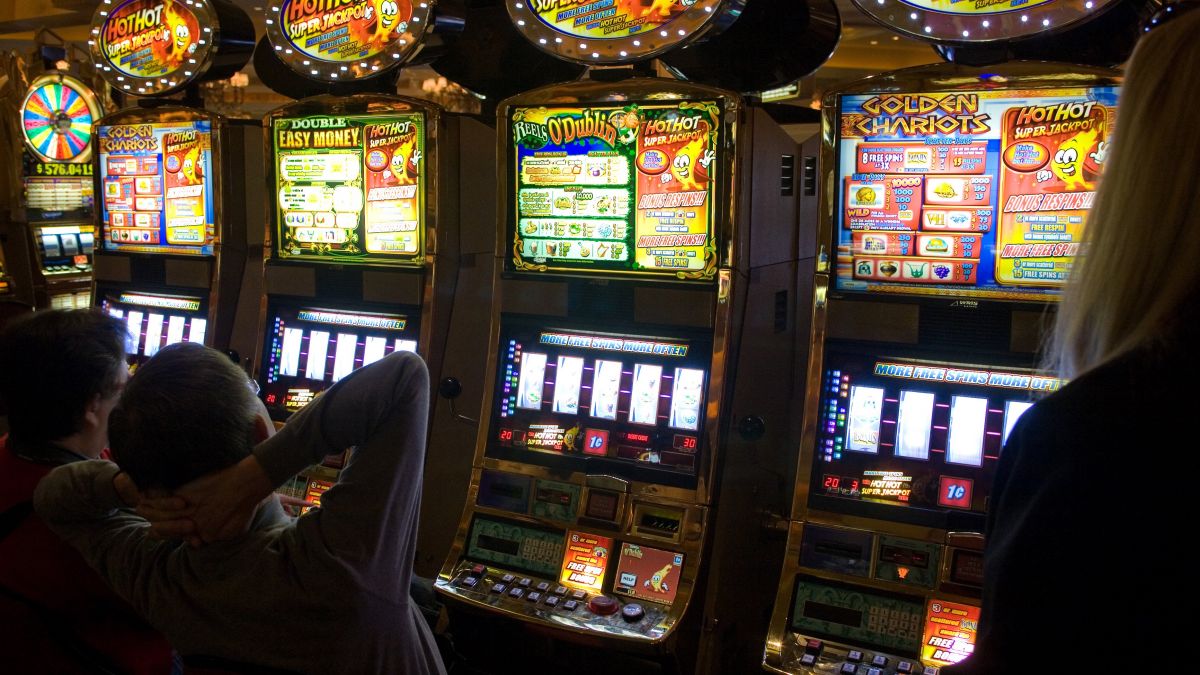
The environment in which gambling takes place can heavily influence player behavior. Casinos are designed to be alluring, with bright lights, engaging sounds, and a lively atmosphere that keeps players inside. These elements are intentionally crafted to create a sense of excitement and urgency, which can lead to prolonged gambling sessions. This immersive environment often leads players to lose track of time and money spent, making it easier for them to fall into harmful gambling habits.
Moreover, the rise of online gambling has shifted the landscape, providing players with instant access to games without the need to leave home. This convenience can exacerbate addictive tendencies, as players can gamble at any time and from anywhere. The lack of physical boundaries can desensitize individuals to the consequences of their actions, leading to increased gambling frequency and spending.
CareerMetis: Supporting Professionals in Understanding Gambling Psychology
Understanding the psychology behind gambling is essential not only for players but also for professionals in related fields. CareerMetis serves as a valuable resource for those looking to explore this complex topic. By providing insights into behavioral trends and the emotional aspects of gambling, professionals can better assist individuals struggling with gambling-related issues.
Whether you are a career counselor, mental health professional, or an educator, the resources available on CareerMetis can enhance your understanding of gambling behavior. By staying informed and educated, you can contribute positively to discussions around gambling and its psychological implications, ultimately helping individuals make better-informed decisions about their gambling habits.


