


Essential Advice on Navigating OFAC Compliance Issues
In today’s global economy, navigating the complexities of compliance with the Office of Foreign Assets Control (OFAC) regulations is crucial for businesses engaged in international trade. Understanding OFAC-related issues can help organizations avoid significant legal challenges and financial penalties. For comprehensive advice on OFAC-related issues, it is essential to familiarize yourself with the regulations, seek appropriate counsel, and establish policies to mitigate risks. This article delves into practical strategies for ensuring compliance, understanding the implications of OFAC regulations, and providing insight into best practices for businesses.
Understanding OFAC and Its Regulations
The Office of Foreign Assets Control is a branch of the U.S. Department of the Treasury responsible for enforcing economic and trade sanctions against targeted foreign countries and regimes, terrorists, international narcotics traffickers, and those involved in activities related to the proliferation of weapons of mass destruction. Compliance with OFAC regulations is mandatory for U.S. individuals and entities, as well as foreign entities conducting business in the United States.
OFAC’s regulations vary widely, and understanding them is critical for businesses to avoid sanctions and penalties. Among the key components of OFAC regulations are:
- **Sanction Lists**: OFAC maintains lists of individuals and entities that U.S. persons are prohibited from engaging with. These include the Specially Designated Nationals (SDN) list, which is regularly updated.
- **Embargoes**: Certain countries are subject to comprehensive embargoes that restrict trade and financial transactions. Understanding which countries are sanctioned is vital for compliance.
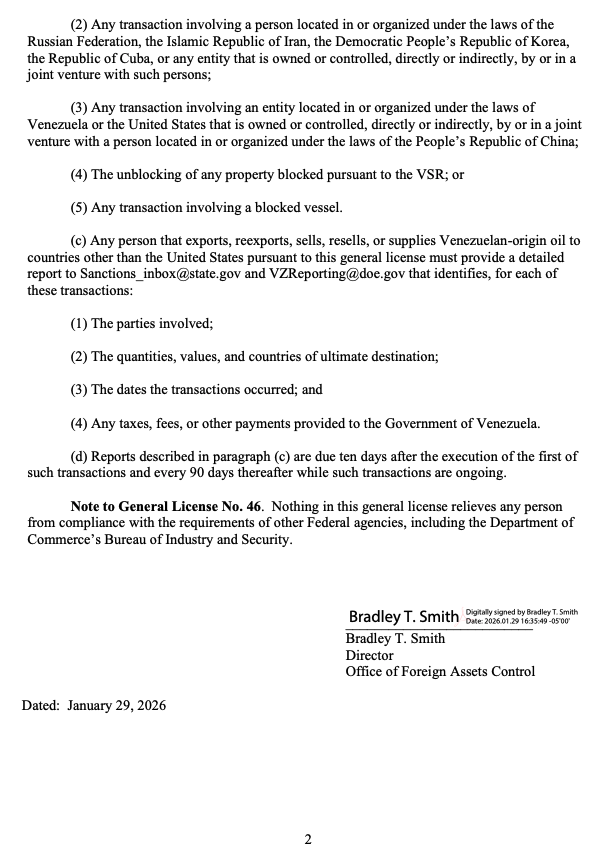
- **Licensing**: In some cases, it may be possible to obtain a license from OFAC to engage in transactions that would otherwise be prohibited. This requires a thorough understanding of the regulations and the ability to justify the requested transaction.
Developing a Compliance Program
To effectively navigate OFAC-related issues, businesses should develop a robust OFAC compliance program. A well-structured compliance program can help mitigate risks and demonstrate due diligence. Here are key elements to consider when developing your program:
1. Risk Assessment
Assess your organization’s exposure to OFAC risks by identifying the countries, entities, and individuals with whom you do business. Understanding your risk profile is crucial for drafting effective compliance policies. Regular risk assessments should be conducted to address changing business circumstances and to adapt to regulatory updates.
2. Training and Education
Invest in regular training for employees to raise awareness about OFAC regulations and compliance practices. Training should cover the importance of understanding sanction lists, as well as procedures for reporting suspicious activities. Staff should be made aware of the potential penalties for non-compliance, which can include hefty fines and restrictions on business operations.
3. Transaction Monitoring
Implement systems to monitor transactions for OFAC compliance. Automated tools can be very effective in screening for sanctioned parties and identifying potential violations in real time. Ensure that your transaction monitoring procedures are routinely updated to reflect changes in OFAC regulations and sanction lists.
4. Reporting Mechanisms
Establish clear reporting channels for any suspected breaches of OFAC regulations. Employees should feel empowered to report concerns without fear of retaliation. A strong whistleblower policy can enhance compliance efforts and help identify issues before they escalate.
5. Regular Audits
Conduct regular audits of your OFAC compliance measures to assess their effectiveness. Audits can help identify areas for improvement and ensure your organization is adhering to established policies and procedures. Moreover, they provide an opportunity to adjust your compliance strategy in response to new risks or regulatory changes.
Common Compliance Challenges
Businesses frequently encounter challenges when trying to comply with OFAC regulations. Some of the most common issues include:
- **Limited Awareness**: Many businesses, particularly smaller enterprises, may not be aware of their obligations under OFAC regulations. This lack of awareness can leave them vulnerable to inadvertent violations.
- **International Operations**: Companies with a global presence must navigate various regulatory frameworks, which can complicate compliance efforts.
- **Evolving Regulations**: OFAC sanctions and regulations can change rapidly, making it imperative to stay informed of updates.
Dealing with Violations
Should your organization suffer a violation, it’s important to respond appropriately. OFAC provides avenues for resolving potential compliance issues, including:
Self-Disclosure
If a violation occurs, consider self-reporting to OFAC. Self-disclosure can result in reduced penalties, demonstrating a commitment to compliance and transparency.
Legal Counsel
Consult with legal experts who specialize in OFAC compliance. They can provide guidance on the best course of action and help navigate the complexities of managing a violation.
Conclusion
Staying compliant with OFAC regulations is essential for businesses engaged in international trade. By understanding the regulations, establishing a comprehensive compliance program, and fostering a culture of compliance within your organization, you can mitigate risks and prevent costly violations. Ultimately, investing in robust OFAC compliance strategies ensures that your business can thrive amid an increasingly complex regulatory landscape.


