

The duration of alcohol withdrawal varies based on factors such as the level or severity of dependence, and underlying conditions. Mild-moderate symptoms may last days-weeks, and severe symptoms like delirium tremens may last for several days to a few weeks. Alcohol Withdrawal Syndrome (AWS) is a serious condition that can occur when heavy or prolonged alcohol use is stopped. The stages of alcohol withdrawal typically progress from mild symptoms such as anxiety and tremors to more severe symptoms such as seizures and delirium tremens, which may require medical attention. So, it is important to seek help if an individual is experiencing signs of alcohol withdrawal.
What To Expect After Detoxing?
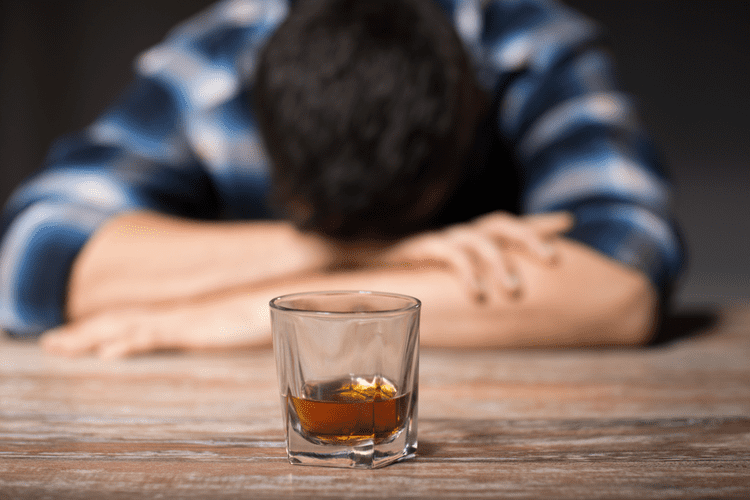
Detoxing under medical supervision is essential for your safety and well-being. Medically supervised detox programs provide proper care and attention to help individuals safely withdraw from alcohol, offering professional support every step of the way. Alcohol depresses the nervous system6, so in response, the brain creates more receptors to stimulate the system. When alcohol is quickly removed, these receptors become hyperactive, leading to severe withdrawal symptoms. Developing new, healthier routines can help fill the void left by alcohol. Structured days that include mindfulness practices, physical exercise, and drug addiction engaging activities help prevent cravings and reduce symptoms of depression.
- Such medical problems include altered blood chemistry, certain infections, and Wernicke’s syndrome (see the following section for a discussion on Wernicke’s syndrome) (Saitz 1995).
- Withdrawal is not the same as a post-intoxication hangover that people generally sleep off.
- These activities can also help alleviate other symptoms, such as anxiety and mood swings, which are common during withdrawal.
- On my birthday, I was overcome by A strong sense of unease and anxiety, strange disturbing sensations, insomnia and nausea with uncontrollable vomiting, and a complete lack of appetite.
- It slows down your brain function and changes the way your nerves send messages back and forth.
How to Prepare for a Partial Hospitalization Program for Addiction Recovery

Experiencing some of these symptoms occasionally is a part of life, but If you encounter five or more of these signs for more than 2 weeks, you may be living with clinical depression. Generally, they start within a few hours to a day after your last drink and reach their peak severity in the first couple of days. Alcohol gives it a big kick, which is why we get that initial happiness and relaxation.
- Many individuals observe improvements in sleep quality, energy levels, and mood after approximately three weeks of abstinence from alcohol 1.
- When that happens, your brain no longer functions normally without alcohol.
- This can trigger depressive symptoms like sadness and hopelessness alongside anxiety.
- This type of strategy emphasizes treating both conditions simultaneously, ensuring that therapeutic methods address the interplay between the two.
- By seeking professional help, participating in therapy, joining support groups, and incorporating healthy lifestyle habits, individuals can effectively manage depression after quitting alcohol.
- With chronic alcohol use, the brain reduces its natural production of GABA and increases the release of excitatory neurotransmitters such as glutamate to counteract the sedating effects of alcohol.
Supportive Therapies

For many, a notable improvement often occurs within 3 to 6 weeks as the body begins adjusting to life without alcohol. However, some individuals face long-term emotional instability, a phenomenon known as Post-Acute Withdrawal Syndrome (PAWS). This can lead to persistent mood issues, including anxiety and depression, lasting months or even years after quitting. In some cases, depressive symptoms might improve in a few weeks, while others could struggle for several months or even years. Approximately 50% of those with Alcohol Use Disorder (AUD) experience withdrawal symptoms, including depression. Effective coping strategies and support systems can influence individual recovery trajectories.
Alcoholism and depression often co-occur, leading to a significantly elevated risk of suicide. Studies reveal that nearly one-third of all suicides involved individuals with blood alcohol levels above legal limits. Among alcoholics, the lifetime does drinking make your depression worse risk of suicide is estimated to be 10%-15%.


