

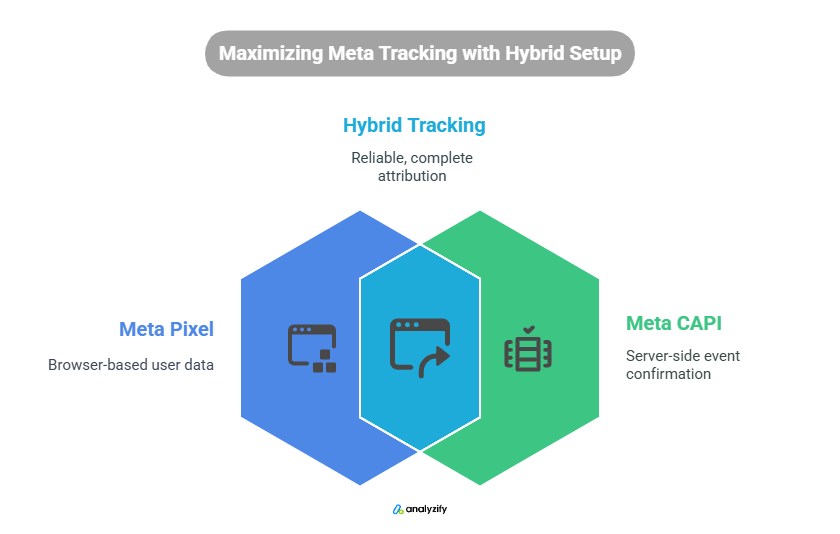
Understanding Pixel and CAPI: The Importance of Server-Side Tracking
In the rapidly evolving world of digital marketing, tracking user behavior has become crucial for businesses aiming to enhance their advertising effectiveness. Among the various methods employed for tracking, two stand out: Pixel and Conversions API (CAPI). Both tools serve the same fundamental purpose—tracking user actions and driving conversions—but they operate in fundamentally different ways. This article will dive into the roles of Pixel and CAPI, exploring when server-side tracking is preferable and how it can enhance your marketing strategy.
What is Pixel Tracking?
Pixel tracking refers to a client-side method of tracking user interactions via small snippets of code (pixels) placed on web pages or within emails. When users visit a page that contains a pixel, the pixel sends information back to a server (usually belonging to an ad platform, such as Facebook or Google). This data can include user activity, like page views, clicks, and conversions.
Pixel tracking is widely used in various advertising platforms due to its simplicity and ease of implementation. Advertisers can quickly install tracking pixels to collect data on user behavior, allowing them to run targeted ad campaigns and measure their effectiveness. However, while pixel tracking has its advantages, it also has limitations, particularly regarding data accuracy and privacy considerations.
Limitations of Pixel Tracking
Pixel tracking operates primarily in user browsers and relies heavily on third-party cookies to function. As privacy concerns grow and legislation like GDPR and CCPA come into effect, browser settings often restrict or block third-party cookies, leading to incomplete or inaccurate data. Additionally, ad blockers can disrupt the functionality of tracking pixels, further complicating data collection efforts.
Moreover, pixel tracking does not account for server-side actions, such as users who may interact with your business through mobile applications or server-to-server interactions. This limitation makes pixel tracking less effective for holistic data analysis and marketing strategy optimization.
What is Conversions API (CAPI)?
In contrast, Conversions API (CAPI) allows for server-side tracking. Instead of relying solely on pixel code loaded in a user’s browser, CAPI sends data directly from your server to the ad platform, providing a more accurate picture of user interactions with your business. This method is particularly useful for data that is challenging to capture through client-side tracking alone, such as offline conversions or events from mobile applications.
CAPI enables businesses to maintain better control over their data and comply with privacy regulations since data is sent directly from servers rather than relying on third-party scripts that may be blocked. Additionally, server-side tracking can offer enhanced reliability, as it is less affected by browser settings or ad blockers.
When to Use Server-Side Tracking
The decision to use server-side tracking through CAPI often depends on several factors:
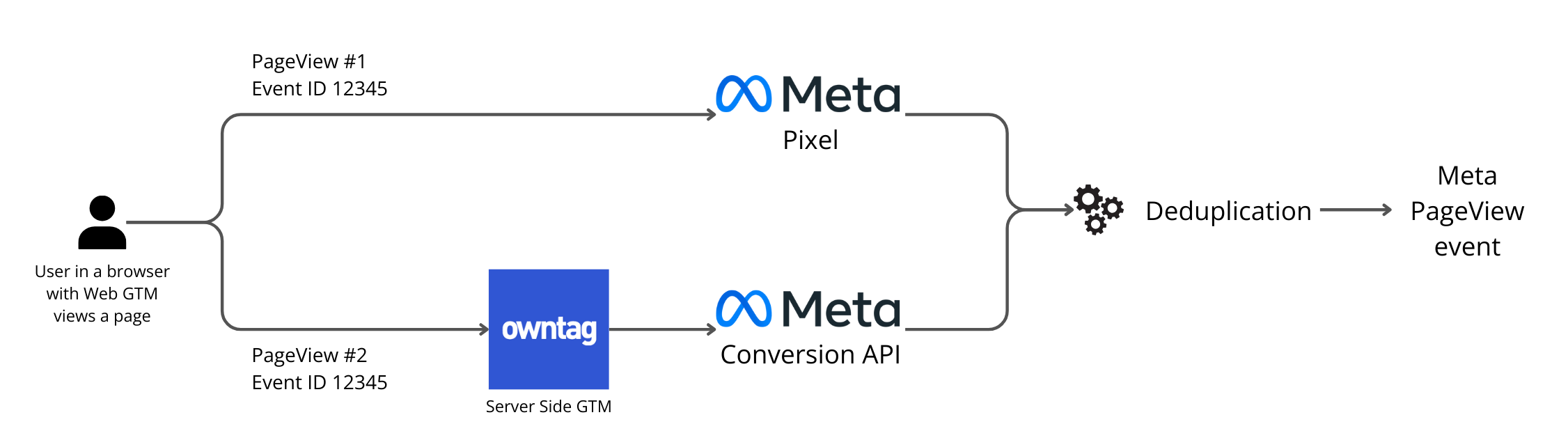
- Data Accuracy: If accurate tracking of events is critical for your advertising campaigns, CAPI is the more reliable choice. It eliminates many issues associated with pixel tracking, like data loss due to browser restrictions.
- Complex Customer Journeys: For businesses with multi-channel customer interactions, server-side tracking can effectively capture data from various sources, such as CRM systems and mobile apps.
- Privacy Compliance: If your business operates in regions with stringent data protection regulations, server-side tracking via CAPI can help ensure compliance by managing how data is collected and shared.
- Engagement Beyond Web Pages: If you’re looking to track events that occur beyond typical webpage interactions, such as purchases made through mobile apps or offline conversions, CAPI can facilitate this with greater accuracy.
Conclusion
In summary, while both Pixel and Conversions API serve the purpose of tracking user interactions, there are notable differences between the two. Pixel tracking is simpler to implement but comes with certain limitations, particularly in terms of data accuracy and privacy compliance. On the other hand, server-side tracking via CAPI offers enhanced reliability, control, and the ability to capture complex customer interactions across multiple platforms.
Ultimately, the choice between pixel tracking and server-side tracking depends on your business needs, goals, and the specific challenges you face in your marketing strategy. Evaluating the effectiveness of both methods will enable you to make informed decisions and optimize your advertising efforts for better results.
To learn more about the intricacies of pixel tracking and CAPI, and how server-side tracking may be an essential framework for your business, visit Pixel and CAPI: When Server-Side Tracking Is Needed https://crazyfb.shop/en/page/pixel-i-capi-kogda-nuzhen-servernyy-treking.


